Why Safety Matters on Irish Hills
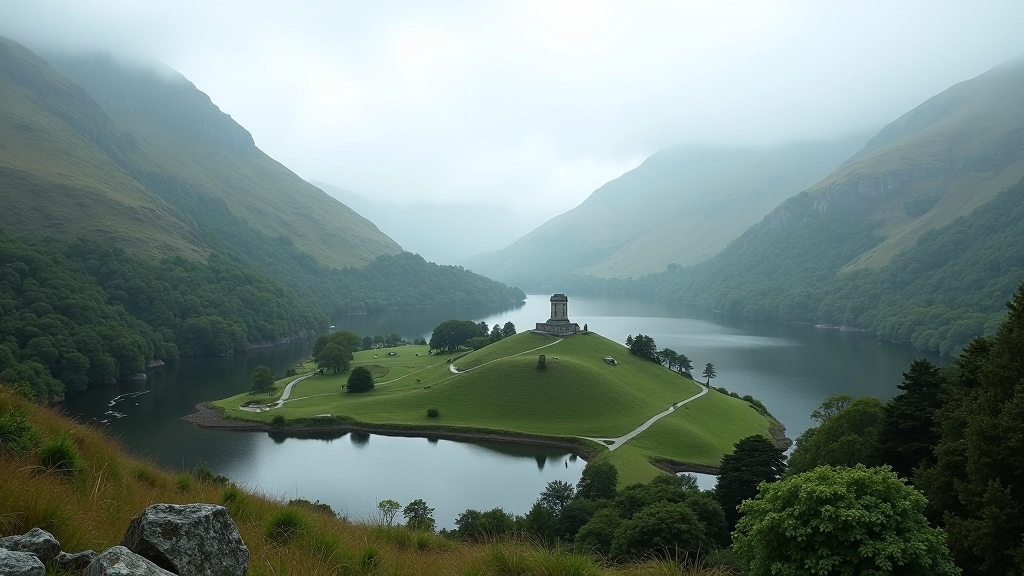
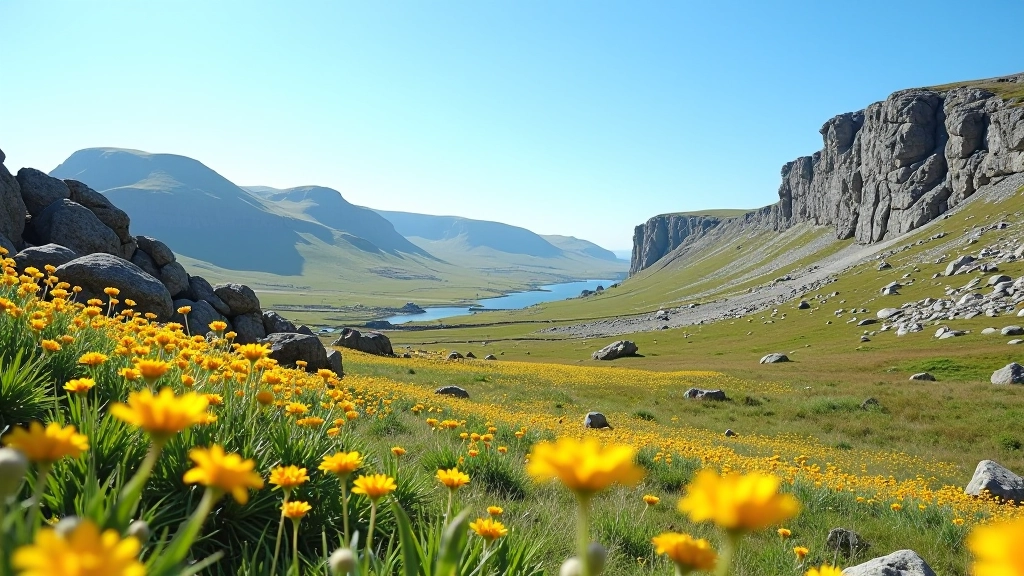
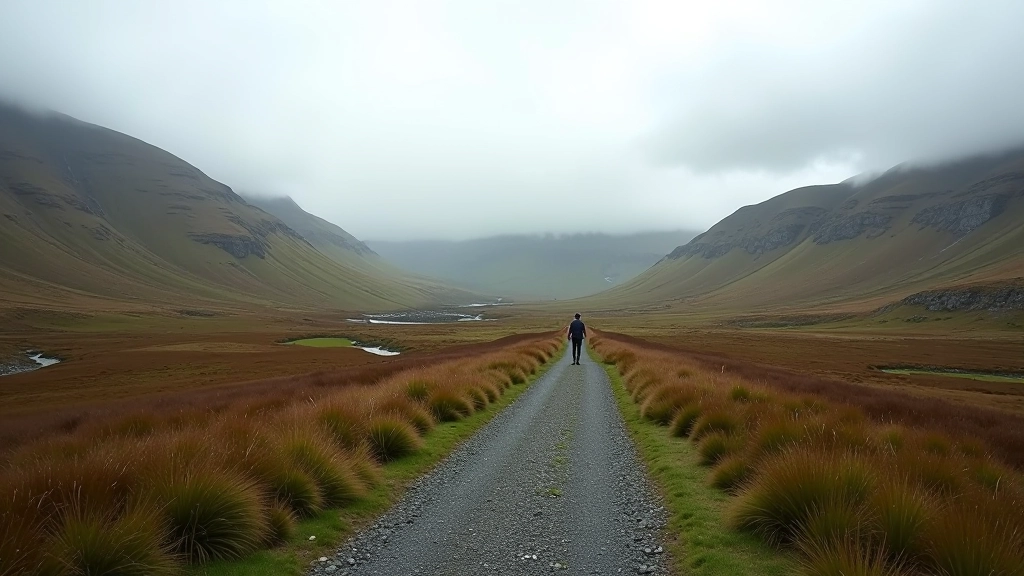
Irish mountains aren't like Alps or Rockies. They're lower, more accessible, which means people often underestimate them. But that's exactly where trouble starts. Carrauntoohil reaches only 1,038 metres, yet it claims lives most years. The Burren's limestone can be deceptive — solid underfoot one moment, treacherous the next.
We're not trying to scare you. We're saying: hills demand respect. Respect them properly and you'll have incredible experiences. Ignore the basics and things spiral quickly.
The Gear You Actually Need
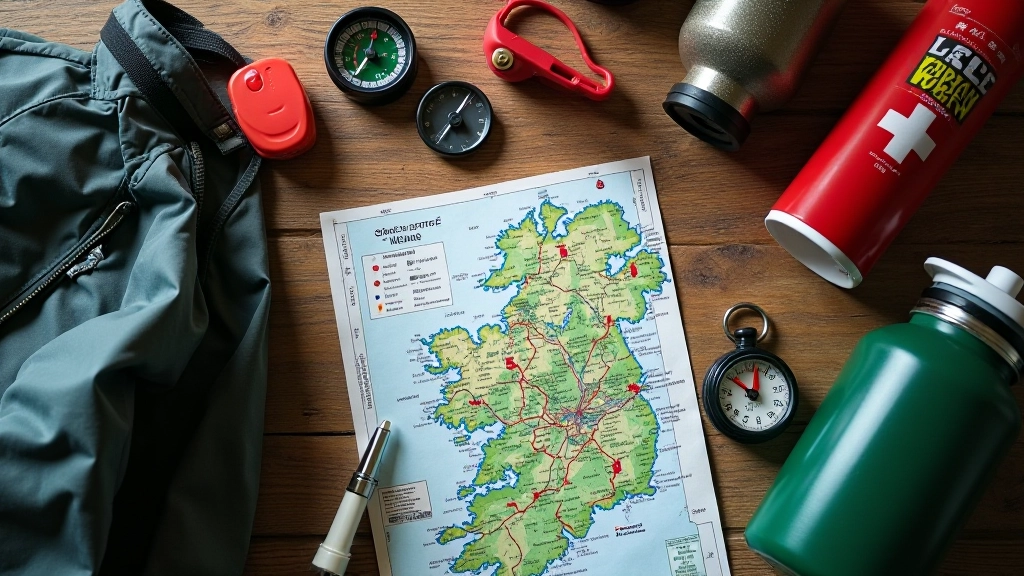
Here's the thing about hillwalking gear: you don't need expensive brands or fancy equipment. You need the right items for the weather, and you need to know how to use them.
The Non-Negotiables
- Waterproof jacket and trousers — not just water-resistant. Irish weather soaks through light stuff.
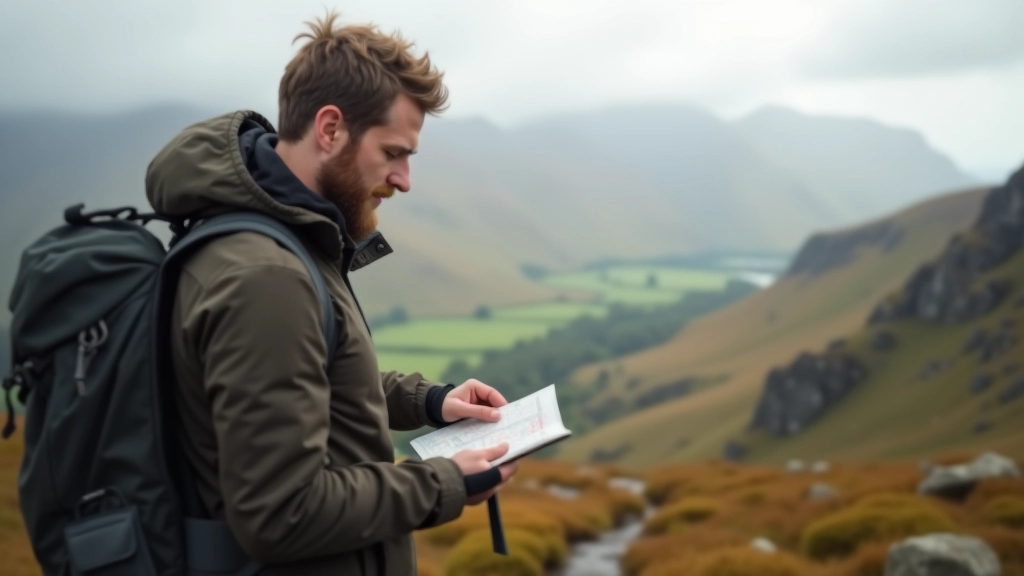
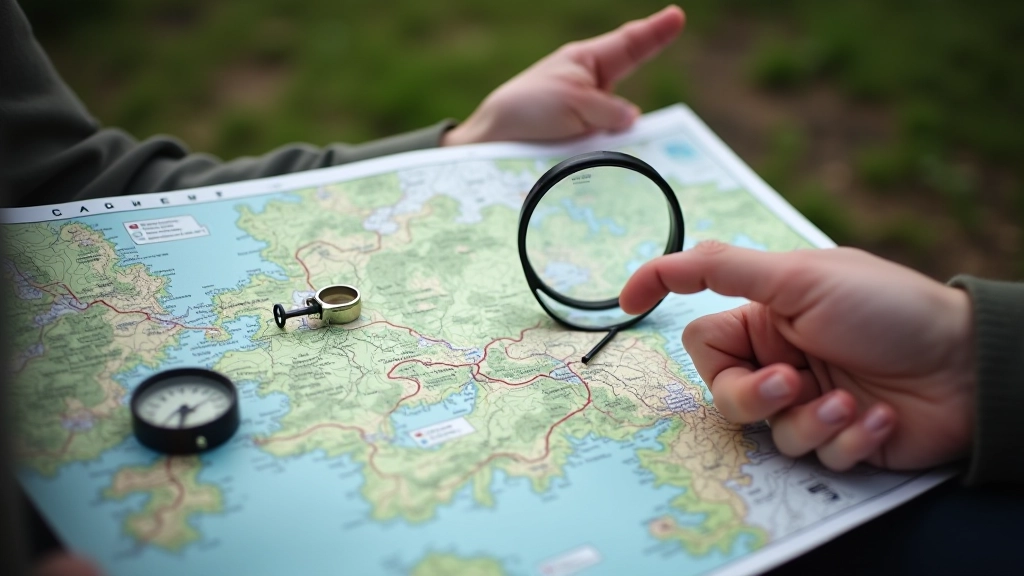
- Map and compass — your phone dies at 8% when you need it most. Paper maps don't.
- Proper hiking boots with ankle support — trainers cause ankle injuries on rocky terrain.
- Torch or headlamp with spare batteries — dusk comes early in winter (around 4pm).
- First aid kit — blisters, small cuts, twisted ankles happen on every third walk.
- Whistle — can be heard further than shouting, especially in wind.
That's it. Sounds basic? It is. But we've seen people with 500 rucksacks and no compass, wearing trainers on Carrauntoohil. Priorities matter.
Reading the Weather — Before You Go
Weather forecasts are useful. Weather understanding is essential. There's a difference.
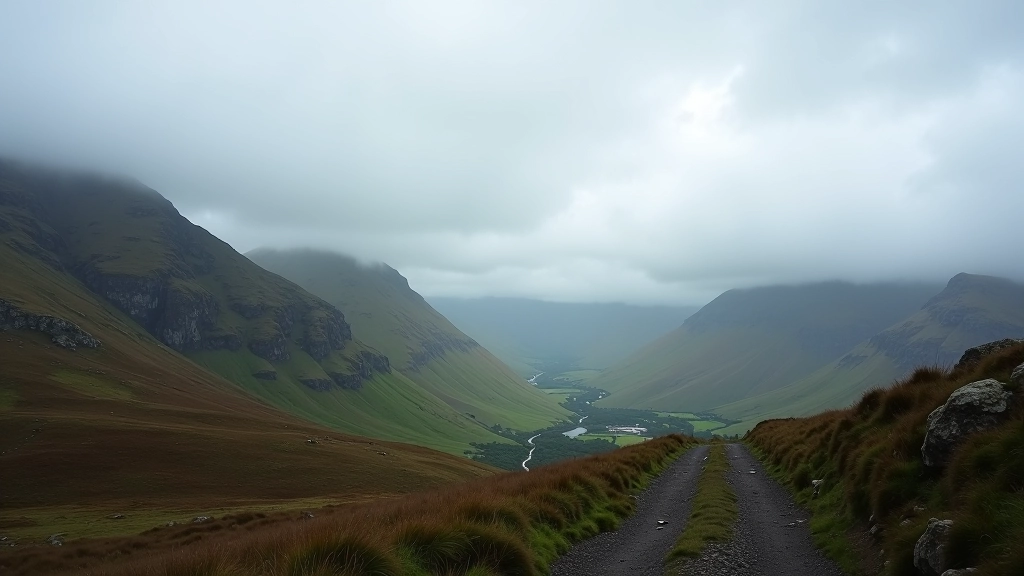
An app might say "20% chance of rain" and you think it's fine. What it actually means: conditions are uncertain. In the mountains, uncertain means risky. Clouds roll in fast. Wind picks up without warning. Visibility drops from 500 metres to 50 metres in minutes.
What to Check
Wind speed: Anything over 40 km/h on exposed ridges becomes dangerous. Anything over 60 km/h is severe. Check forecasts 24 hours before, not 2 hours before — plans change.
Cloud ceiling: If clouds are touching the mountain peaks, visibility is bad. Navigating in cloud without a compass is how people get lost.
Temperature drop: For every 100 metres you climb, temperature drops roughly 1 degree. Glendalough's valley floor might be 12C, but the ridge above is 8C. Hypothermia doesn't require freezing temperatures — it needs cold, wet, and wind.
Knowing When to Turn Back
This is where ego gets people hurt.
You've planned this walk for weeks. You're halfway up. The weather's turned. The wind's stronger than forecast. Visibility is maybe 100 metres. You're thinking: "We've come this far, might as well push on." That's exactly wrong.
Turn back if: Visibility drops below 100 metres and you're not on a clear path. Wind gusts make you stumble. Temperature or wind makes you shiver. You've fallen behind schedule and darkness is approaching. Anyone in your group is struggling or injured. The weather forecast was wrong and conditions are worse than expected.
The summit isn't going anywhere. It'll still be there next week. The mountains don't care about your schedule. They've killed people who were stubborn.
If Something Goes Wrong
Stay Put
Don't wander looking for help. Mark your location clearly. Sit on a rock or use your bright jacket to be visible from above.
Use Your Whistle
Three 10-second blasts = international distress signal. Works in wind and fog where shouting doesn't.
Mobile Reception
Irish hills have poor signal. If you have it, call emergency services (999 or 112). Don't rely on it. That's why you brought the whistle.
The Takeaway
Safety isn't complicated. It's just the boring stuff done consistently. Check the weather. Bring the gear. Study the map. Tell someone where you're going. Turn back when conditions demand it.
Do those things and you'll walk Irish hills for decades. Ignore them and you'll be statistics.
The mountains are worth it. But only if you're smart about them.
Disclaimer
This article provides educational information about hillwalking safety based on general best practices and experience. It's not professional rescue advice or a substitute for proper training, local guides, or professional hill walking courses. Conditions vary greatly by location, season, and weather. Always check current weather forecasts, local trail conditions, and follow guidance from official mountain rescue services and local authorities. Hillwalking carries inherent risks. You're responsible for assessing your own capabilities, the conditions, and the risks involved. When in doubt, consult local experienced guides or mountain rescue professionals.