Why Carrauntoohil Matters
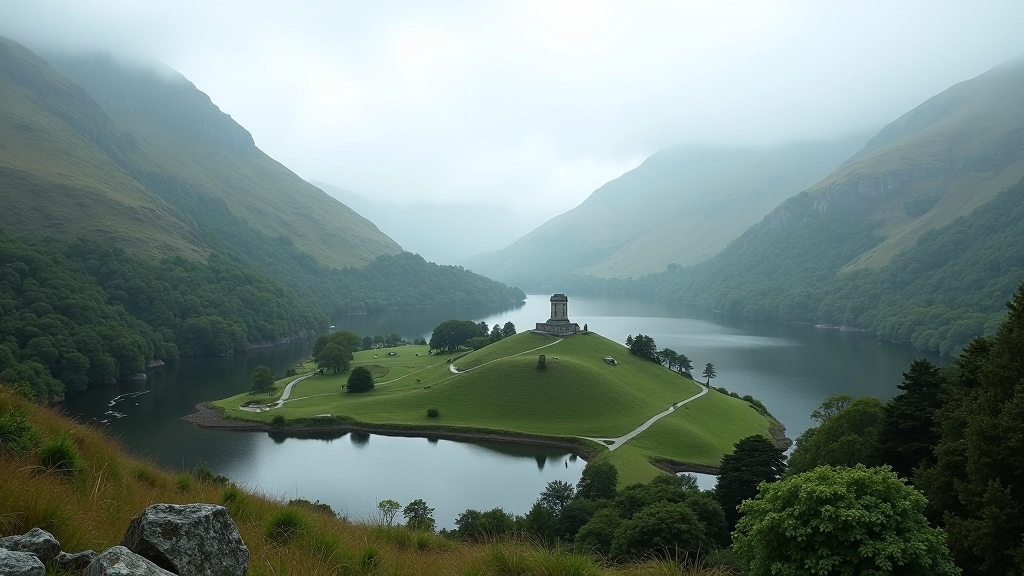
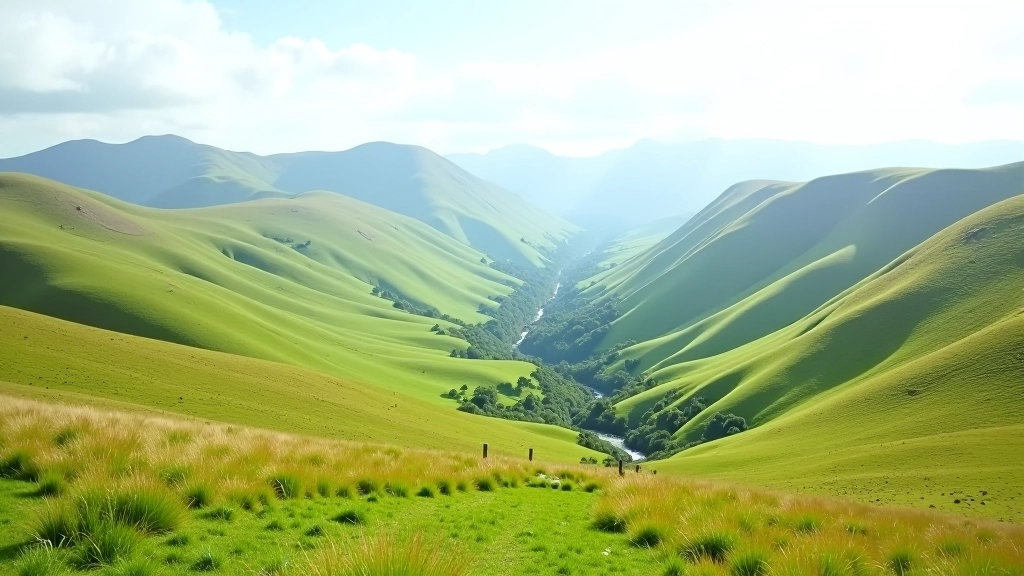
At 1,038 meters, Carrauntoohil is Ireland's highest mountain. But here's the thing — it's not a technical climb. What it is, though, is a proper mountain experience. You'll get real views, actual altitude, and the kind of accomplishment that sticks with you. Most beginners tackle it without serious issues if they know what they're doing.
We've guided hundreds of first-time hill walkers up this mountain. The ones who succeed aren't the super-fit ones. They're the ones who prepare properly, start early, and don't rush. That's it.
The Three Starter Routes
Carrauntoohil has several paths up. We're focusing on the three that beginners actually use.
Devil's Ladder Route (Most Popular)
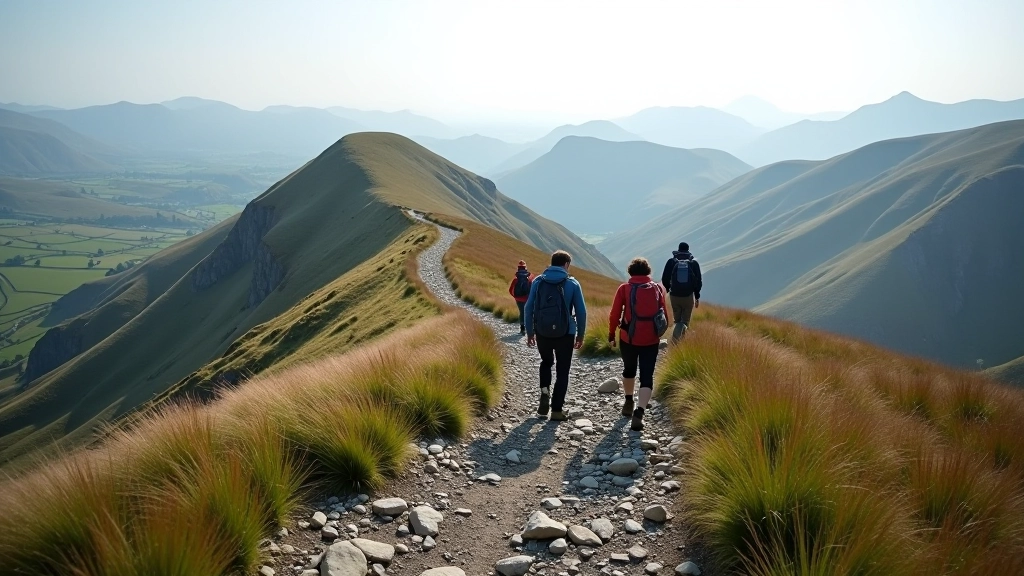
8.5 km, 4-5 hours round trip. This one's straightforward — you follow a clear path up through boggy ground, then switchbacks cut into the rock. It's steep but well-marked. Most first-timers use this one.
Pony Track Route (Easier Gradient)
10 km, 4.5-5.5 hours round trip. Longer but more gradual. Less crowded than Devil's Ladder. Good if you want to take it slower without scrambling on steep sections.
Zig Zag Route (Scenic Alternative)
9 km, 5-6 hours round trip. Less direct than the others but you get better views as you ascend. Bit more exposed in places — not for people uncomfortable with height.
What Gear You Actually Need
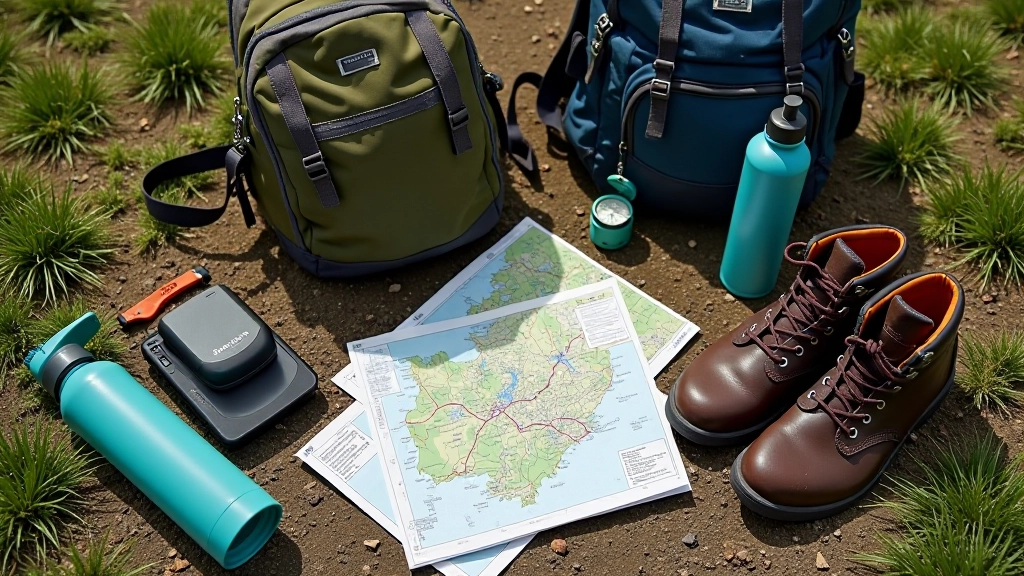
Don't spend hundreds. You need specific things, not fancy things.
- Proper hiking boots — not trainers. Ankles matter on rough ground. 50-80 euros for decent ones.
- Waterproof jacket — Irish weather changes in 20 minutes. Gore-Tex or similar fabric works.
- Layers — t-shirt + fleece minimum. Temperature drops 6 degrees per 1,000m elevation.
- 2-liter water capacity — hydration pack or bottles. The mountain has no water sources.
- Energy food — sandwiches, energy bars, dried fruit. Not just snacks.
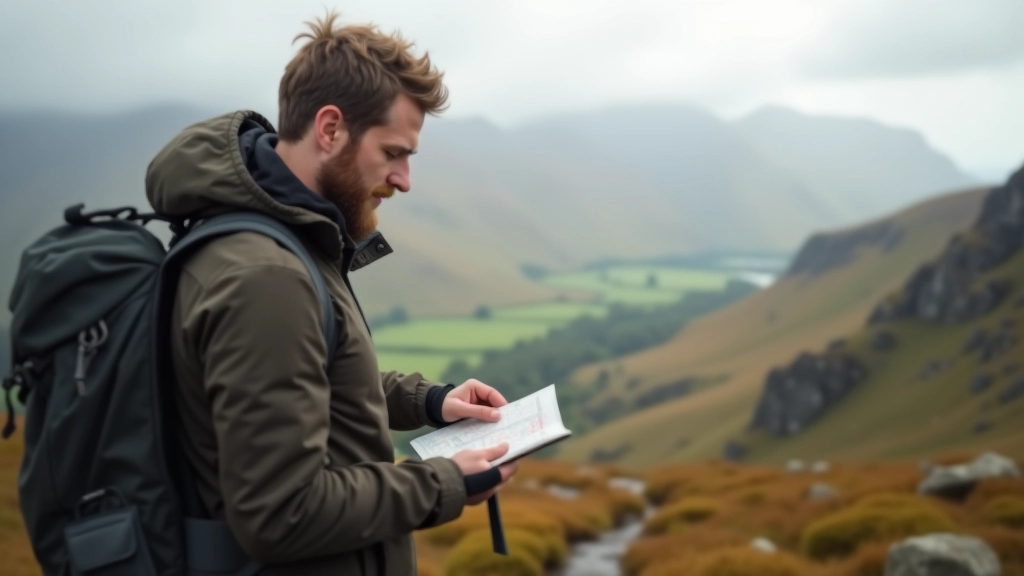
- Map and compass — or download offline maps. Phone GPS fails sometimes.
Sunscreen and a hat aren't optional. You're at altitude and exposed. The sun hits different up there.
Timing and Weather Matters
Start early. We mean 6 or 7 AM early. Clouds roll in by afternoon, and you don't want to be high on the mountain when visibility drops. You'll also avoid crowds — the parking areas get full by 9 AM in summer.
Check the forecast the night before. Wind speeds matter more than rain. Sustained winds above 40 km/h make exposed sections genuinely dangerous. If the forecast shows that, pick a different day. The mountain isn't going anywhere.
Real talk: Don't summit if visibility is poor or wind is strong. Getting to the top matters less than getting down safely. Most accidents happen on descent when people are tired.
What to Expect on the Day
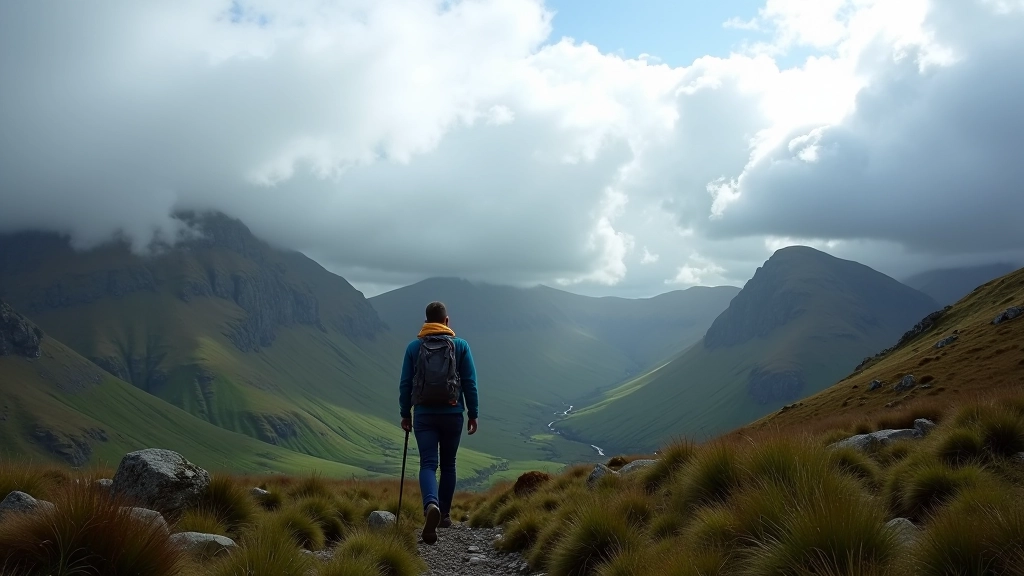
The first 30 minutes feel fine. Then your legs remind you that you're climbing 1,000 meters. You'll reach the boggy section around 45 minutes in — this is where it gets mentally interesting. Your boots sink slightly with each step. It's not dangerous, just tedious.
By the time you hit the Devil's Ladder (or your chosen route's steep section), you've been going about 2 hours. This is the point where pacing matters. Don't rush. Steady steps, regular water breaks, and honest self-assessment. If you're exhausted here, you've got another 1.5-2 hours ahead.
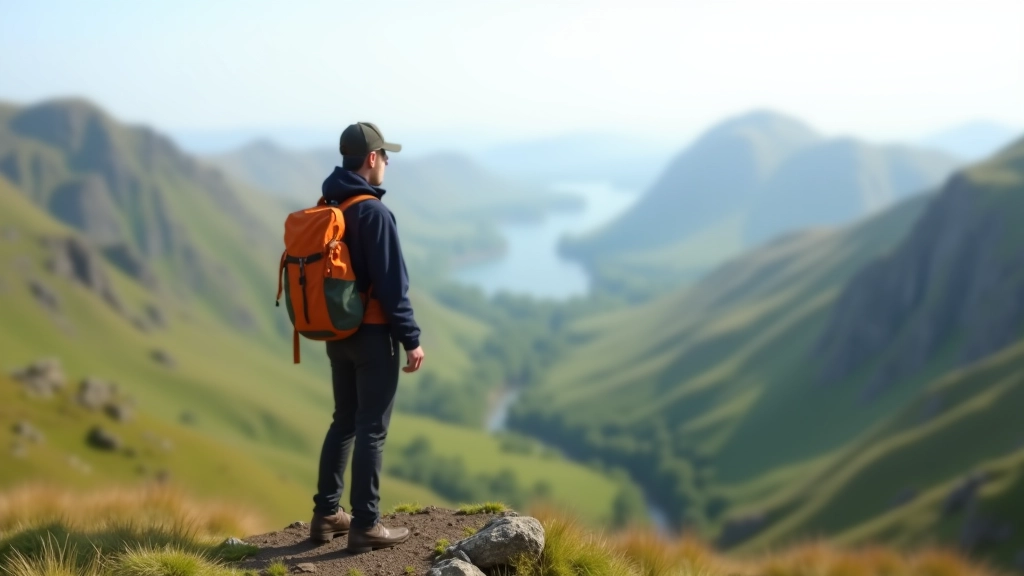
The summit comes suddenly. You round a rocky corner and you're at the top. The views are genuinely impressive — you can see three counties on a clear day. People get emotional. It's normal. Take photos, eat something, stay 20 minutes maximum, then head down.
Descent is harder than ascent. Your knees take the impact. Take it slow. Don't try to make up time. Most injuries happen coming down when people are tired and rushing.
Ready to Go?
Carrauntoohil's achievable. You don't need to be super-fit. You need to prepare properly, start early, respect the mountain's conditions, and take your time. Most first-time hikers who follow these principles summit successfully and want to come back for more.
Pick a clear day with decent weather, get proper boots, bring enough water, and start at dawn. That's honestly it. People have been walking up Irish mountains for centuries with less planning than you're doing right now.
After Carrauntoohil, you'll be ready for other peaks. The experience builds confidence. You'll know your fitness level, what gear actually works, and how to move on steep ground. That knowledge transfers to every mountain you climb afterward.
Important Note
This guide is educational and informational only. Mountain conditions change rapidly. Always check current weather forecasts, trail conditions, and local advisories before hiking. Assess your own fitness level honestly. If you're unsure about your ability or conditions, hire a qualified mountain guide. Mountain safety depends on individual judgment and preparation. We can't predict every variable on the day.